
- Home
- Design for testability(DFT) Trainings
100% Job Oriented vLSI Trainings
Design for testability - DFT
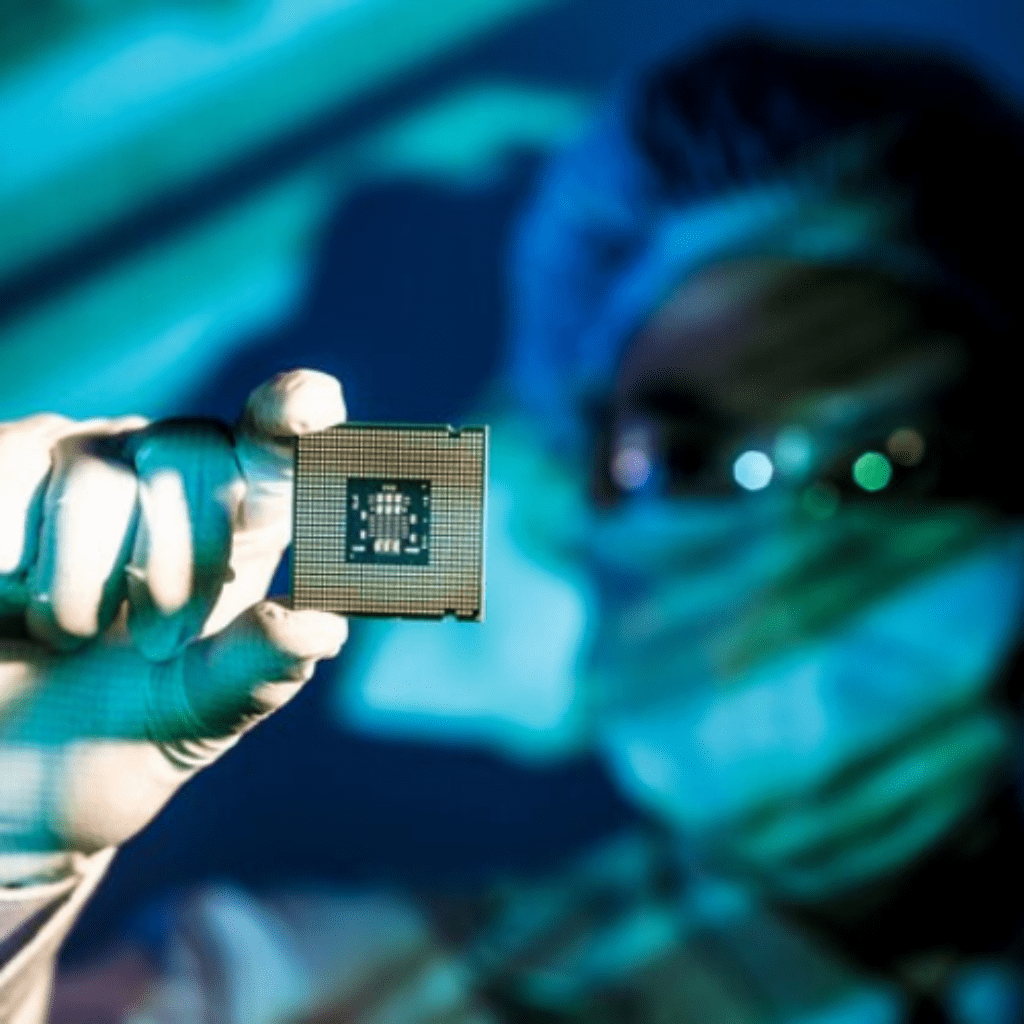
VLSI Design for Test (DFT) Training program comes with offline and online course a comprehensive course designed to equip participants with the knowledge and skills necessary to excel in the field of Very Large Scale Integration (VLSI) testing. VLSI DFT is a critical aspect of semiconductor design, ensuring that complex integrated circuits are manufactured with high reliability and functionality.
Job Opportunities
1,35,000 Openings Every Year In India
Investment In India
1.6 Lakh Crores+ Committed Till 2030
Indias Chip Mission
Target $110 Billion Semiconductor Market By 2030
Product & service Based Companies hiring Trained Design for testability - DFT Candidates .



















Eligibility Criteria For Design for Testability Online/Offline Course.
- B.Tech/M/Tech degree in Electronics & Communication (ECE), Electrical & Electronics (EEE), or closely related fields.
- B,Tech/M.Tech in Computer Science (CSE) or Closely related Fields
- M.Tech in VLSI or closely related fields
Course Curriculum
Module 1: DIGITAL ELECTRONICS
- Logic Gates
- Boolean Algebras, Boolean Expression and K-Map
- Combinational Circuits:- Adders, Subtractors, Multiplexer, De-multiplexer, Encoders, Priority Encoder, Decoders, Comparator, and converters.
- Sequential Circuits: Latches, Flip-Flops, Registers and Counters.
- Finite State Machines.
Module 2: VERILOG
- All Basic Gates
- Adders and Encoders
- Multiplexers
- D- Flip flop, Latches, Synchronous reset and Asynchronous reset, Scan flop, Clock gating circuit and Divide by 2 circuits.
- Registers and Counters
Module 3: INTRODUCTION & BASICS OF DFT
- Basics of DLD
- Overall VLSI flow
- History, need and introduction to DFT
- DFT Flow at high level
- Hardware elements : PLL, Divider, Clock gater, Latch, TDR
- Defect, Fault, Fault modelling & Error difference
- Timing and its role in DFT
- Basic UNIX commands
Module 4: SCAN INSERTION
- Intro : Basic flow and Architecture
- Scan insertion types
- Internal Scan
- Boundary Scan
- Scan methodology
- Choosing parameters
- Chain balancing
- Library cells
- Types of scanned Flip-flops
- MUX-D
- LSSD
- Clock and edge mixing
- DFT rules check
- Scan input and output files
- Scan Chain re-ordering
- Common issues in Scan insertion
Module 5: SCAN COMPRESSION (EDT)
- Need for Compression
- Compressor
- Decompressor
- Ring oscillator
- Phase shifter
- LFSR,LFSM
- Compression ratio
- Masking logic
- Internal scan chains
- Adding sub chains
- Scan chain Re-order
- EDT control signals
- EDT clock and EDT update
- EDT bypass logic
- EDT lockup- latch/Terminal lockup-latch
- Compression ratio
- Faults inside EDT
Module 6:ATPG INTRODUCTION
- What is ATPG?
- Basic flow – inputs, process and outputs
- Sequential depth
- Fault models – Stuck, Transition and path delay
- Fault identification/sensitization
- Fault propagation and justification
- Fault categories
- Test procedures
- LOS vs LOC
- Coverage – Test and fault coverage
- Coverage Debug
- SDC in ATPG
- Test time and test volume
- Fault grading
- SDC delivery for DFT modes
Module 7:OCC
- What is OCC
- Advantages
- Dis advantages
- Internal structure of OCC
Module 8: SIMULATIONS
- Simulations introduction and why we need
- Simulation flow
- Tools for simulation
- Simulations types
- Serial simulations
- Parallel simulations
- Scan simulation debugging
- Chain simulation debugging
- Timing & no timing simulations with differences?
- Patten failure debugging with simulation and ATPG
Module 9: Misc
- Intro to MBIST
- Intro to 1149.1 and TAP
- Intro to Bscan
- Intro to LBIST
- Intro to diagnosis
- Conclusion
Module 10: Project
- Next Batch Commencing On : Next Month,2026
- Free Demo Class : Register Now
Register Now and Get a 25% Discount
People Love To Learn With US.
9/10
9/10 users reported better learning
outcomes.
outcomes.
85%
85% of students Changed their Domain From IT to VLSI through SuccessBridge